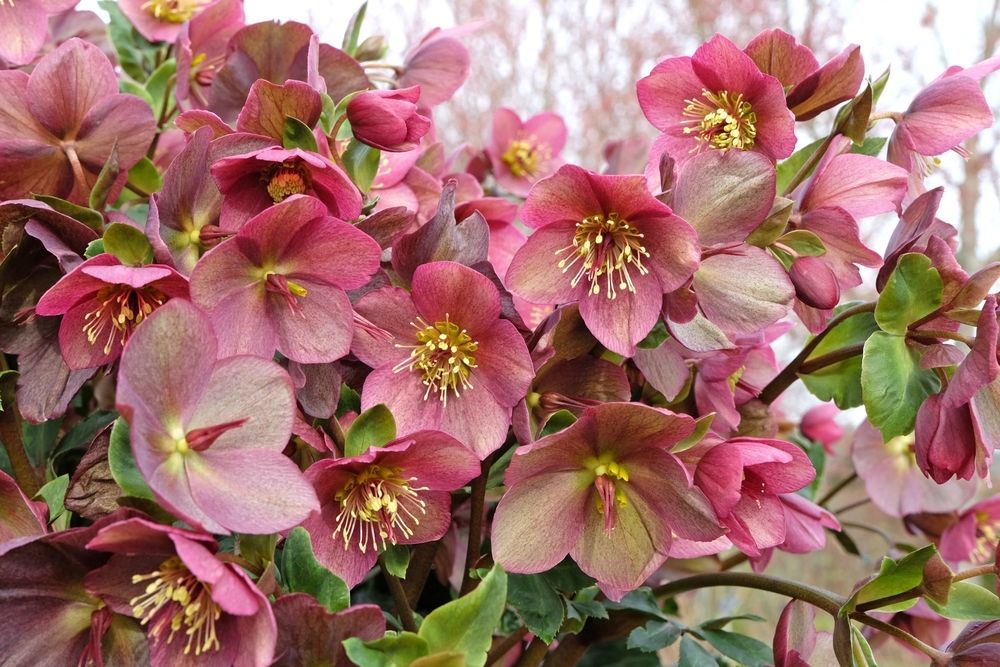

Plant of the Month: Peony
Originating primarily from Asia, Europe, and Western North America, the peony is the undisputed royalty of the late-spring garden.
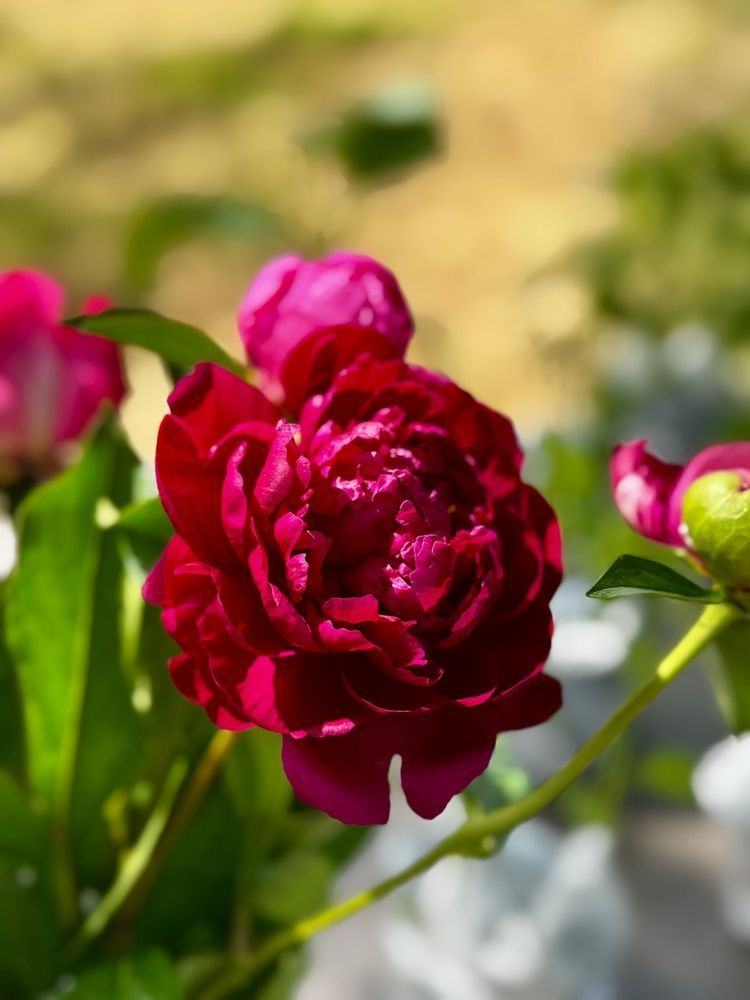
Highly revered as a reliable, long-lived perennial - often surviving for decades - the appearance of these lush, dramatic blooms marks the glorious transition from spring into early summer.
With deep green, deeply lobed foliage that creates a dense, handsome backdrop even after the blossoms fade, peonies burst into a spectacular display of large, often fragrant, bowl-shaped flowers.
Their name is steeped in Greek mythology, named after Paeon, the physician to the gods. Their opulent, multi-petalled nature and robust presence make them a breathtaking addition to any garden, acting as a magnet for pollinators and a favourite for dramatic cut-flower arrangements.
Key Features:
- Flower Colour: Extremely varied; available in striking shades of crisp white, soft pink, deep crimson, coral, and even vibrant yellow (in Itoh hybrids).
- Size: Substantial and bushy, typically growing to 60–100cm tall and wide, depending on the specific variety.
- Hardiness: Fully hardy; they require a cold winter chilling period to form buds properly and are exceptionally resilient to frost.
- Sunlight: Prefers full sun to very light partial shade. Shading from the harsh afternoon sun can help the delicate petals last longer.
- Soil: Thrives in deep, fertile, moisture-retentive but well-drained soil. They prefer neutral to slightly alkaline conditions and detest sitting in waterlogged ground.
- Maintenance: Medium maintenance. Herbaceous varieties need staking to support heavy blooms, and foliage should be cut back completely in autumn to prevent disease.
Uses:
- Borders: Perfect for the middle of herbaceous borders or cottage gardens, where their expansive blooms create an undeniable focal point.
- Cut Flowers: Highly prized for floral arrangements; their massive, pillowy heads and sweet fragrance can easily elevate a room.
- Specimen Planting: Excellent when planted as standalone features or in rows to create a temporary, lush low hedge during the summer months.
Planting and Care:
- Planting: Best planted in autumn (October to November). If planting bare-root herbaceous peonies, ensure the "eyes" (buds) are buried no deeper than 2.5–5cm below the soil surface, as planting too deeply will prevent flowering.
- Watering: Water regularly during their first growing season to establish a deep root system. Once established, they are relatively drought-tolerant but appreciate watering during dry spells when buds are forming.
- Fertilising: Benefit from a scattering of balanced, slow-release fertiliser or a top-dressing of well-rotted compost in early spring just as new growth emerges. Avoid high-nitrogen feeds, which encourage leaves at the expense of flowers.
- Pruning: Deadhead faded flowers by cutting back to a strong leaf to keep the plant looking tidy. In late autumn, after the frost has turned the foliage brown, cut herbaceous peonies right down to ground level to prevent peony blight.
Did you know? Peonies are symbols of romance, prosperity, and good fortune, and are capable of outliving the gardeners who plant them, with some plants known to thrive for over a hundred years. It is also a myth that ants help the massive to flowers pop open!