
Plant of the Month: Helleborus (Hellebore)
Our Plant of the Month for January is Hellebore - a winter favourite known for its hardiness.
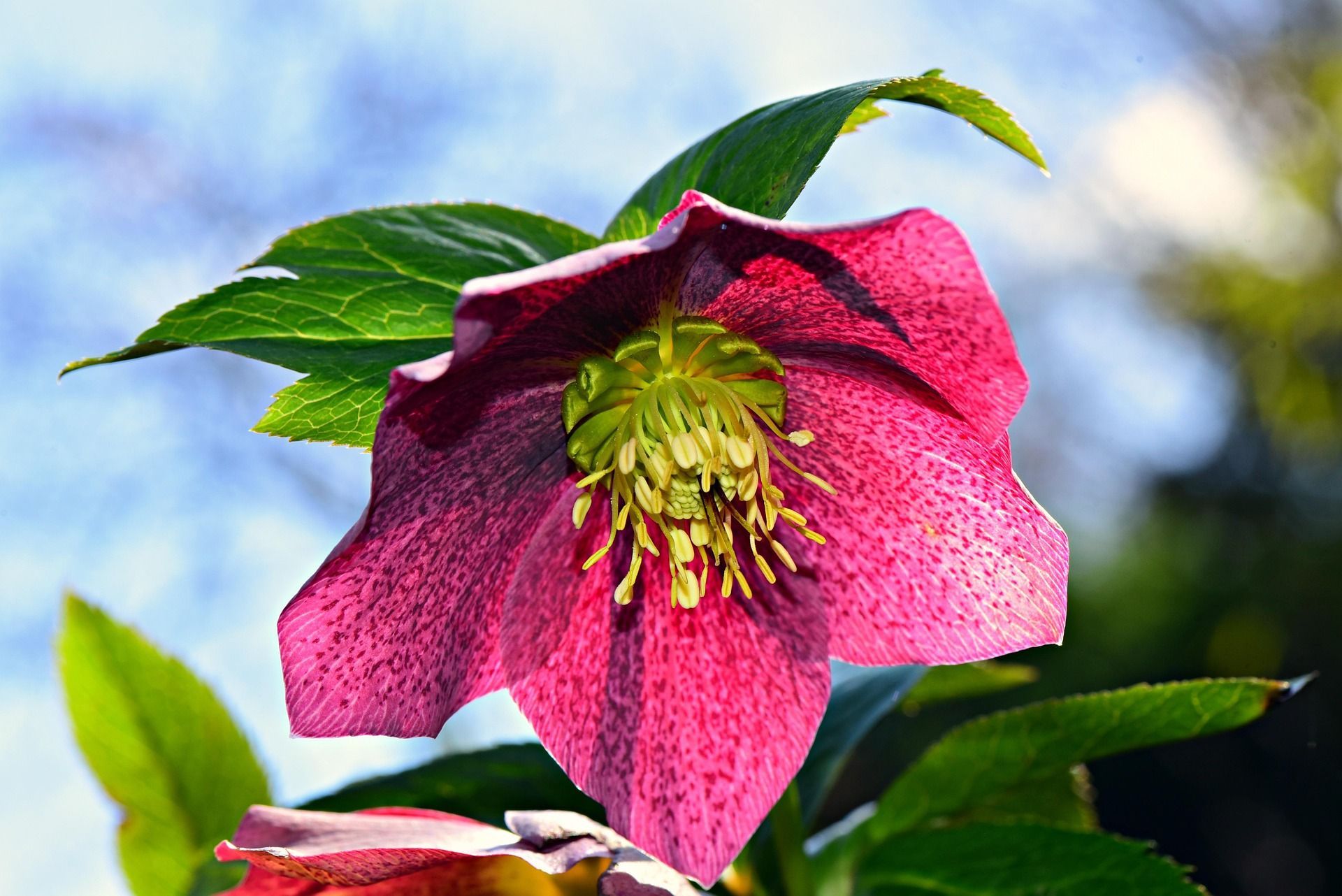
Originating from across Europe and Asia, and commonly known as the ‘Lenten Rose’ or ‘Christmas Rose,’ the Hellebore is a perennial favourite for bringing life to the garden when most other plants are dormant. These elegant, nodding flowers are prized for their ability to bloom in the depths of winter and early spring.
With leathery, evergreen foliage that provides year-round structure, Hellebores burst into a spectacular display of cup-shaped blooms ranging from crisp whites to deep, dramatic purples. Their resilient nature and shade-loving tendencies make them an essential addition to woodland gardens or north-facing borders, offering a vital nectar source for early-emerging pollinators.
Key Features:
- Flower Colour: Variations of white, pink, green, and deep plum, often featuring intricate speckles or contrasting centres.
- Size: Typically grows to 45cm tall and 45cm wide, forming a neat, mounded clump.
- Hardiness: Fully hardy; thrives in the UK climate and can withstand frost and snow.
- Sunlight: Prefers partial to full shade; ideal for dappled sunlight under deciduous trees.
- Soil: Thrives in heavy, fertile, moist but well-drained soil. Prefers neutral to alkaline PH.
- Maintenance: Low maintenance. Remove old, tattered foliage in late winter to showcase the emerging flowers and prevent disease.
Uses:
- Borders: Perfect for the front of shaded borders or woodland-style planting schemes.
- Containers: Excellent for winter patio displays where the downward-facing flowers can be viewed more closely.
- Groundcover: When planted in groups, they create a lush, weed-suppressing carpet of evergreen leaves.
Planting and Care:
- Planting: Best planted in autumn or spring. Ensure they are planted at the same depth they were in the pot; planting too deep can hinder flower production.
- Watering: Water regularly during the first growing season until established. Once mature, they are relatively drought-tolerant but appreciate moisture during dry spells.
- Fertilising: Benefit from an annual mulch of well-rotted organic matter or leaf mould in autumn or early spring.
- Pruning: Cut back the previous year's leaves to the ground in January or February. This reveals the flowers and removes any "black spot" fungus that may have overwintered on the foliage.
Did you know?
Although known as Christmas or Lenten roses, because they flower from late winter into spring, hellebores aren’t related to roses. Instead, they belong to the buttercup family.