
Plant of the Month: Osmanthus Burwoodii
Osmanthus burkwoodii is excellent for adding reliable structure and seasonal perfume to a garden.
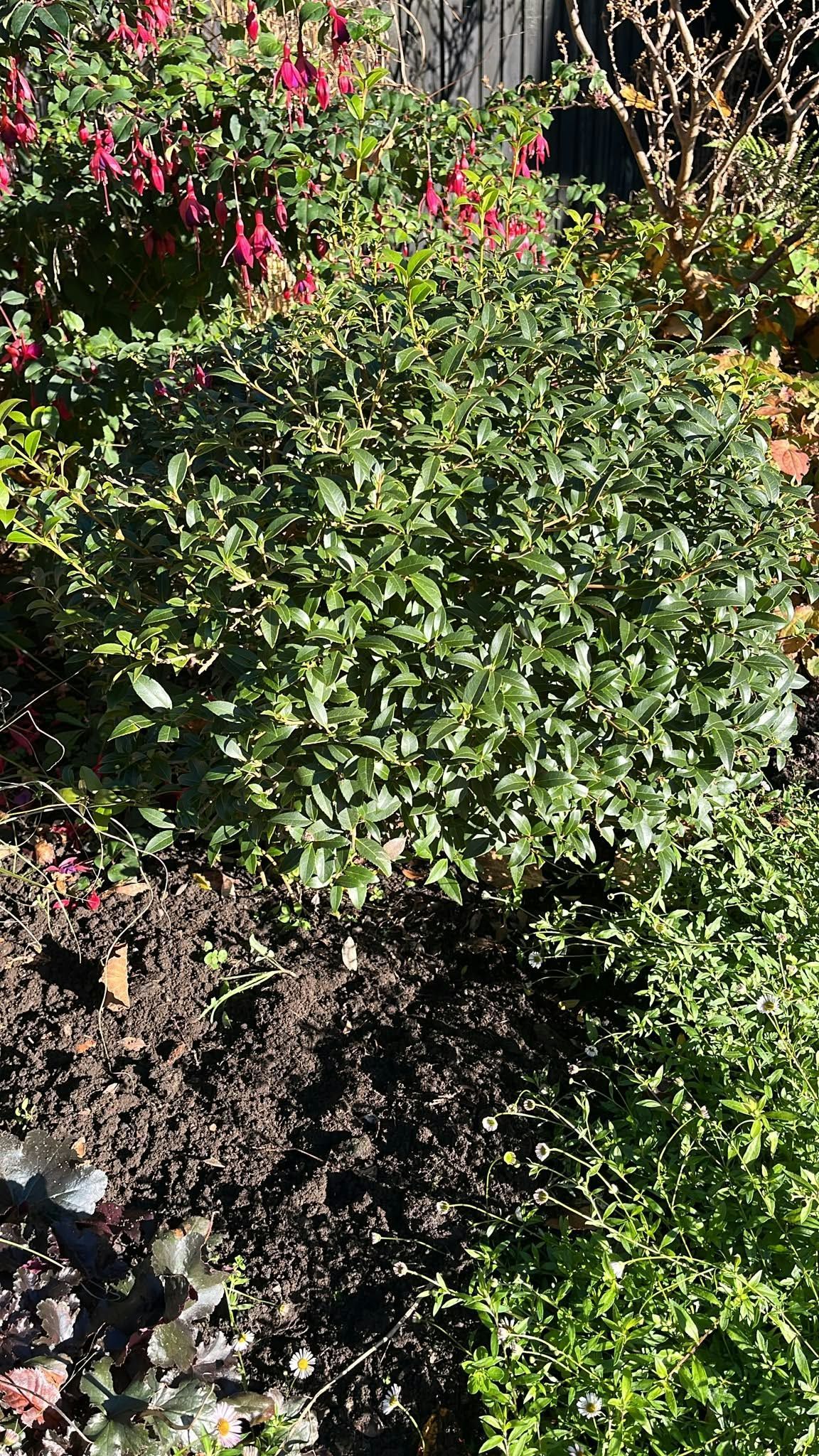
A versatile, densely branched evergreen shrub that is deservedly prized by gardeners, Osmanthus burkwoodii produces neat, glossy, dark green oval leaves, ideal for bringing year-round structure and backdrop greenery to a planting scheme. Clusters of small, tubular, pure white flowers known for their intense, sweet jasmine-like fragrance appear in mid- to late spring, and these are occasionally followed by small, blue-black fruits.
An intergeneric hybrid belonging to the olive family (Oleaceae), Osmanthus burkwoodii was raised in the 1920s by the renowned English nursery Burkwood and Skipwith as a cross between Osmanthus delavayi and Phillyrea decora. The name Osmanthus derives from the Greek words osme ("fragrance") and anthos ("flower"), reflecting the plant's standout scent.
Osmanthus burkwoodii is excellent for adding reliable structure and seasonal perfume to a garden. This adaptable shrub is ideal for mixed borders, formal hedging, or sensory gardens near paths and doorways.
Key Features:
- Flower Colour: During mid- to late spring (April to May), clusters of small, tubular white flowers appear, emitting a rich, sweet fragrance; these are occasionally followed by small, blue-black berries.
- Size: Typically grows to 250cm–300cm in height and width if left unpruned, though easily kept smaller.
- Hardiness: Robust and fully hardy across the UK.
- Sunlight: Full sun or partial shade; tolerates deeper shade, though flowering is best in sunnier spots.
- Soil: Grows best in fertile, moist but well-drained soil; tolerates chalk, clay, loam, and sand.
- Maintenance: Requires little maintenance, though an annual trim keeps formal hedges and topiary crisp and neat.
Uses:
- Versatile and structural: Forms a dense, evergreen screen or formal hedge that responds well to clipping. Try it planted near entrances, patios, or pathways where its spring scent can be appreciated up close, or use it as a calm, dark green backdrop for brighter flowering perennials in a mixed border.
Planting and Care:
- Planting: Plant in fertile, well-drained soil in full sun or partial shade, ideally in a spot sheltered from cold, drying winds which can scorch young foliage.
- Watering: Water regularly during its first growing season to help establish a strong root system. Once established, it is relatively drought-tolerant, though it will appreciate watering during prolonged dry spells. Ensure good drainage to prevent waterlogging.
- Fertilising: Benefits from a mulch of well-rotted garden compost or leaf mould applied around the base in early spring, alongside a slow-release, general-purpose fertiliser to support healthy foliage and flower production.
- Pruning: Prune immediately after flowering in late spring or early summer, trimming back wayward shoots to maintain shape without sacrificing the following year's flower buds.
Did You Know…?
Osmanthus burkwoodii holds the Royal Horticultural Society (RHS) Award of Garden Merit and is often used as a fragrant, bee-friendly alternative to box hedging.